

When you think of someone with ADHD, you probably have certain characteristics in mind. Stereotypical ADHD symptoms include loud, boisterous behaviours, high energy, and the inability to sit still. However, although ADHD is common in both males and females, girls with ADHD don’t always exhibit these symptoms. They’re more likely to present inattentive symptoms of ADHD such as forgetfulness, daydreaming, or disorganization. These more subtle, less obvious signs, mixed with girls’ societal expectations of being quiet and well behaved, has led to a higher rate of undiagnosed or misdiagnosed ADHD in females. If you’re wondering why ADHD is missed in girls so often, here are 40 things to know.
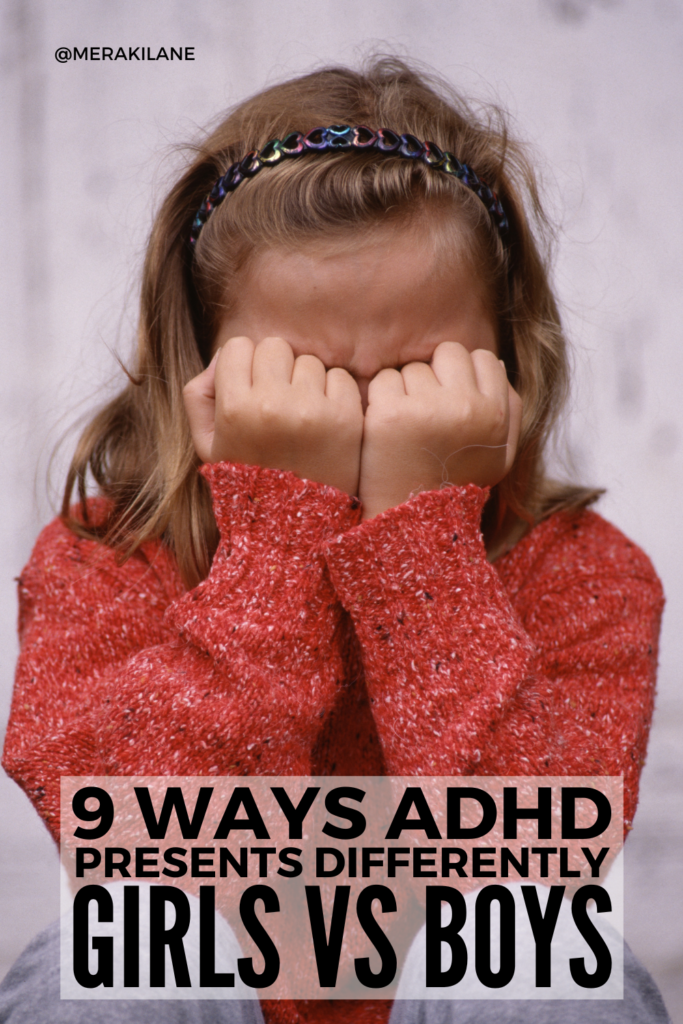
9 Ways ADHD Presents Differently in Girls vs Boys
ADHD is a neurodevelopmental disorder that affects both males and females, however, symptoms present differently between genders. Boys are more likely to be diagnosed with hyperactive/impulsive ADHD and show more obvious signs of the disorder, such as difficulty sitting still, fidgeting, and having excessive energy. Girls on the other hand, often have inattentive ADHD with symptoms like daydreaming, being easily distracted, and making careless mistakes. Because of this, boys are diagnosed with ADHD in childhood far more often than girls. Here are some common ways ADHD presents differently in girls vs boys:
- Females typically show inattentive symptoms, while males usually show hyperactive or impulsive symptoms
- Girls display inattentive symptoms such as forgetfulness, daydreaming and disorganization
- Boys present hyperactive-impulsive symptoms like fidgeting, running around, and excessive talking
- Females usually internalize their symptoms, leading to anxiety, low self-esteem, and mood swings
- Boys display externalizing behaviours like disruptive classroom behaviour, aggression, and impulsivity
- Boys with ADHD are generally more likely to have symptoms that are more disruptive and noticeable
- Girls with ADHD are usually less disruptive, so it’s less obvious that they’re struggling
- Females often develop coping strategies to mask their behaviours
- Girls often feel heightened pressure to conform to societal expectations of being quiet and well-behaved

12 Signs of ADHD in Young Girls
- Short attention span
- Shyness or appearing withdrawn
- Seeming not to listen or zoning out when spoken to
- Cries easily
- Easily distracted
- Fidgeting/doodling in class
- Hyper-talkative, but not so good at listening
- Problems completing tasks
- Seems to get easily upset
- Blurts out and interrupts others
- Highly sensitive to noise, fabrics, and emotions
- Doesn’t seem motivated or appear to be trying
14 Signs of ADHD in Teen Girls
- Difficulty focusing, listening, and paying attention
- Daydreaming or appearing ‘spacey’
- Hyperfocus
- Frequently losing belongings like school papers, books, or cell phone
- Poor time management
- Difficulty regulating feelings
- Appearing disorganized or erratic
- Low self-esteem
- Messy at home and/or at school
- Avoiding or disliking tasks that require sustained effort
- Fatigue and insomnia
- Difficulty making or keeping friends; social rejection
- Perfectionism
- Comorbid conditions such as anxiety or depression
When to Pursue an ADHD Assessment for Girls
ADHD symptoms can appear as early as age 3, but are often first noticed between the ages of 6 and 12. A child can be evaluated for ADHD as early as age 4, however many parents will do an evaluation once they notice ADHD symptoms are interfering with their child’s ability to function at home and/or in school.
There is no single test for ADHD, the process requires several steps and involves gathering a lot of information from multiple sources, including you, your child, your child’s school, and other caregivers. The assessment will look at your child’s behaviour at school, at home, and in activities such as sports. When you decide it’s time to do an assessment, talk to your child’s healthcare provider. They may do an evaluation or send you to a specialist in childhood ADHD. If symptoms are affecting your child’s ability to learn, they’ll likely recommend you contact your child’s school and request a learning evaluation.
5 Effects of Being Undiagnosed (or Misdiagnosed)
1. Low Self-Esteem and Low Self Confidence
If ADHD symptoms go undiagnosed, it can lead to girls being (incorrectly) described as “lazy”, “spacey” or “stupid” and they can go through their lives feeling inadequate without knowing why. Without an explanation for their struggles, they’re more likely to question themselves and blame themselves for their challenges. This can lead to low self-esteem and low self-confidence.
2. Elevated Risk of Comorbid Conditions
When ADHD is misdiagnosed or undiagnosed in females, they can experience repeated perceived failure, alienation and inadequacy. This increases the risk of developing comorbid conditions, such as:
- Anxiety
- Depression
- Sleep disorders
- Eating disorders
- Substance abuse issues
3. Strained Social Relationships
Girls with ADHD often have a harder time making and keeping friendships. Untreated ADHD can take a toll on communication and affect social relationships, which can lead to girls feeling isolated and less accepted by their peers. Friendship is crucial for girls as it provides a support system, increases sense of belonging, elevates self-esteem, and promotes overall wellness.
4. Hindered Career Growth
Undiagnosed ADHD can make it more difficult to meet deadlines, pay attention to instructions, and collaborate with colleagues. Individuals with ADHD may find they’re not as productive, motivated, or focused at their job and if this goes untreated, it can affect their career growth. Treatment can help you with these symptoms, but a diagnosis can also open your eyes to other roles that are better suited to your strengths, such as a more creative role.
5. Intensified Symptoms Later in Life
If an ADHD diagnosis is missed earlier in life and goes untreated, symptoms can affect women later in life as they struggle to balance home, work, and childcare. Hormonal changes in perimenopause and menopause can also exacerbate ADHD symptoms, making it harder to cope.
There are a number of reasons ADHD is often missed in females, which can lead to issues as they grow up. We hope this post helps you understand why ADHD goes undiagnosed in girls and how you can spot the signs.
This post contains affiliate links.
Did you find this post on why ADHD is missed in girls helpful? We’d love it if you shared it on Pinterest!
Looking for more helpful ADHD content? Make sure to follow our Mental Health Board on Pinterest!


