
Inflammation in the body can be caused by environmental toxins, food, injury, and chronic stress. It’s one of the ways the body protects itself from harm, but excess and chronic inflammation can lead to health problems such as stroke, diabetes, and various cancers. There are natural ways to reduce inflammation, from eating an anti-inflammatory diet to exercising and limiting alcohol and sugary drinks. Knowing the best foods to eat and lifestyle changes to make can be life-altering. Here’s how to reduce inflammation in the body.
6 Common Causes of Inflammation in the Body
- Inflammatory diet- Processed foods, refined carbs, sugar and unhealthy fats can disrupt the gut’s beneficial bacteria, releasing inflammatory compounds and affecting the immune system. Over time, continually eating unhealthy foods such as these triggers chronic inflammation.
- Environmental toxins- Toxins trigger inflammation by activating the body’s immune system and damaging cells. This releases chemicals that cause inflammation and if the threat isn’t eliminated, the immune response can continue, leading to chronic inflammation.
- Chronic stress- When you’re stressed, your body releases hormones like cortisol. When there’s too much cortisol in your blood for too long, it increases inflammation and weakens the immune system.
- Poor sleep- Sleep deprivation has been linked to inflammation. Sleep is when your body and immune system heal and recuperate, so if you have poor sleep, inflammation increases.
- Injury- When you get hurt, your body initiates an inflammatory response as part of the healing process. This typically causes acute inflammation, however if the injury is severe or isn’t properly resolved, it can lead to chronic inflammation in the body.
- Excessive alcohol- Consistently drinking too much alcohol is really bad for your body. It causes inflammation due to the toxins it releases when metabolized as well as its detrimental effects on gut health.
12 Risks of Chronic Inflammation in the Body
- Persistent fatigue and exhaustion
- Sleep disorders
- Cardiovascular diseases like stroke and heart attack
- Diabetes
- Various cancers
- Autoimmune diseases like rheumatoid arthritis and lupus
- Lung diseases like asthma and Chronic Obstructive Pulmonary Disease (COPD)
- Gastrointestinal diseases like Crohn’s disease and Inflammatory Bowel Disease (IBD)
- Mental health conditions like anxiety and depression
- Neurodegenerative diseases like Alzheimers
- Skin conditions like eczema and psoriasis
- Hormonal imbalances – disrupts hormone production
How to Reduce Inflammation in the Body
5 Lifestyle Changes to Make
1. Exercise
Exercising on a regular basis is one of the best ways to lower inflammation for a number of reasons. It brings down levels of cortisol, increases hormones that help fight inflammation and lowers body fat, which can release inflammation-promoting substances. Aerobic exercise, like brisk walking, cycling, swimming and stationary rowing is particularly beneficial, as well as yoga, Pilates and other gentle exercises.
2. Calm Your Nervous System
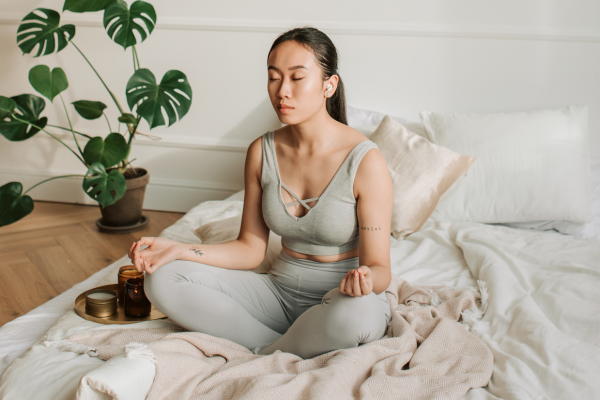
If you want to reduce inflammation, it’s very important to calm your nervous system. You can do this by activating the parasympathetic nervous system, which promotes relaxation and reduces stress. Deep breathing, meditation, gentle movement and spending time in nature can all help regulate your nervous system. You can also give yourself physical comfort, like hugging yourself or placing your hands on your heart to calm and ground yourself in moments of stress.
3. Spend More Time Outside
Spending time in nature lowers stress levels, improves immune function and boosts your mood. It has also been found to decrease depression and lower blood pressure. A key part of being in nature is being more mindful while you spend time outdoors. If you’re physically in nature and mentally somewhere else, it’s not as beneficial, so whether you’re going for a hike or relaxing a park, try to be more mindful while you’re spending time in nature.
4. Prioritize Healthy Sleep Habits
Since a lack of restful sleep can trigger inflammation, prioritize quality sleep each night. Aim for 7 to 9 hours of sleep every night, exercise during the day, and avoid caffeine and alcohol too close to bedtime. Make sure your room is dark, quiet and cool and engage in calming activities like reading and taking a bath before bed. Avoid electronic devices for at least 30 minutes to an hour before bed and practice relaxation techniques like meditation and deep breathing.
5. Eat More Anti-Inflammatory Foods
The Western diet is full of inflammatory foods. One of the most effective ways to lower inflammation is to change up your diet. We dive into the specifics below, but focus on healthy, whole foods like fruits and vegetables, dark leafy greens, fatty fish, whole grains, nuts, seeds and probiotics.
13 Foods to Eat
- Fatty fish like salmon, mackerel, sardines and tuna
- Fruits like blueberries, raspberries, cherries, pineapples and oranges
- Vegetables including bell peppers, tomatoes, broccoli and carrots (focus on colourful fruits and vegetables)
- Dark leafy greens like spinach and kale
- Whole grains like quinoa, oatmeal and brown rice
- Lentils
- Probiotic foods like Greek yogurt, kimchi and kefir
- Nuts including almonds, walnuts and pecans
- Seeds like chia seeds and flaxseeds
- Healthy fats like avocados and organic eggs
- Ginger, garlic and onions
- Turmeric
- Olive oil
7 Foods to Avoid
- Processed foods including breakfast cereals, frozen meals, candy, chips and ice cream
- Processed meats like bacon, hot dogs, sausage and deli meats
- Fried foods
- Refined carbs like white bread, rice and pasta, pastries, snack foods
- Red meat
- Sugary drinks
- Excessive alcohol
Inflammation is a normal and necessary part of the body’s healing process, but excess and chronic inflammation can be very dangerous to your overall health. Use these tips and lifestyle changes to lower inflammation and improve your overall health.
This post contains affiliate links.
Did you find this post on how to reduce inflammation in the body helpful? We’d love it if you shared it on Pinterest!
Looking for more health tips and advice? Make sure to follow our Health Board on Pinterest!


